
INHED 2026 Annual Scientific Meeting
University of Galway / June 18th and 19th 2026
Navigating Change in Health Professions Education
.INHED is delighted to announce that the 2026 Annual Scientific Meeting, entitled Navigating Change in Health Professions Education, will take place at the University of Galway on Thursday, June 18th and Friday, June 19th 2026.
As the healthcare landscape evolves, so too must health professions education. Join us as we explore how to navigate, sustain, and lead meaningful change—while supporting staff and student transitions—through engaging plenary sessions, interactive workshops, and insightful oral presentations as we share, and shape the future of healthcare education together.
This event represents a unique opportunity to share research, gain valuable feedback, and connect with fellow professionals in the field of health professions education. Registration is now open and can be accessed via the link below. We would be delighted to welcome you in Galway in June!
2026 Plenary Speakers
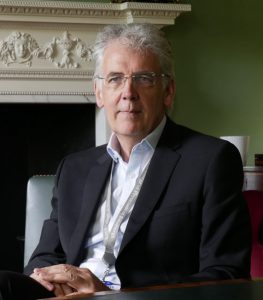
Prof. Andrew Elder
Andrew Elder was the first geriatrician to be elected as President of the Royal College of Physicians of Edinburgh, a role he occupied from 2020 until early 2026. An NHS consultant in medicine for older people since 1993 he has been an Honorary Professor at Edinburgh Medical School since 2015. He has had a major interest in the teaching and assessment of bedside skills and served as Medical Director of MRCP(UK) – the world’s largest postgraduate examination in internal medicine – from 2013-2018.
He has been honoured with multiple international fellowships, including from RCP Ireland, and has been visiting professor at major US institutions including Stanford University and Johns Hopkins where, in 2022, he became the inaugural Visiting Professor of Bedside Medicine. In 2021, in recognition of his contribution to bedside medicine, he was awarded Mastership of the American College of Physicians, becoming the first doctor practising In Scotland, and only the second in the UK, to attain this honour since its inception in 1923.
His BMJ opinion piece “Medicine is Difficult – there are no shortcuts” has been widely read internationally and generated substantial professional discussion about the training and role of doctors.
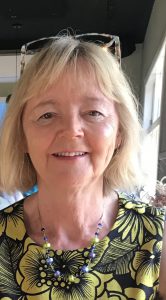
Prof. Anne-Marie Reid
Anne-Marie Reid is Visiting Professor of Medical Education at the University of Leeds, UK and is a Principal Fellow of the Higher Education Academy. She has extensive experience of teaching, research, leadership and academic consultancy in health professions & medical education. She was previously Dean of Teaching and Learning at St George’s, University of London, with responsibility for academic leadership and scholarship. Her expertise is in curriculum review and innovation and she has led projects nationally and internationally, winning awards for this work.
Her research interests lie in research methodology and professional and workplace learning with specific reference to Activity Theory. She has adopted the Activity Theory framework in published studies of workplace learning and transitions in medical education and has run national and international workshops focused on the topic. She currently conducts Quality Assurance of undergraduate programmes in UK Medical Schools as a GMC Education Associate and is committed to transformative and sustainable change in education.

Prof. Gabrielle Finn
Professor Gabrielle Finn is a medical education scholar and senior academic leader. She is a Professor of Medical Education at the University of Manchester and has held major leadership roles including Associate Vice-President for Teaching, Learning and Students and Vice-Dean for Teaching, Learning and Students in the Faculty of Biology, Medicine and Health.
Gabrielle is also Chair of the Association for the Study of Medical Education (ASME) and contributes to national and international boards relating to education, assessment, and technology. Her work focuses on improving higher and health professions education, particularly in areas such as assessment and feedback, inclusive education and widening participation, differential attainment and gender discrimination, professionalism and fitness to practise, and arts and humanities.
She has published extensively (150+ papers), led major education initiatives, and is known for translating research into practical institutional change.
Accommodation
If you are travelling to Galway this June for the INHED Conference 2026, please see below a selection of hotel accommodation options for your consideration:
The Hardiman Hotel | Hotels in Galway | Luxury Hotels Galway
Galway Bay Hotel | 4-Star Hotel on the Wild Atlantic Way
Salthill Hotel Galway | 4-Star Seaside Hotel — Book Direct
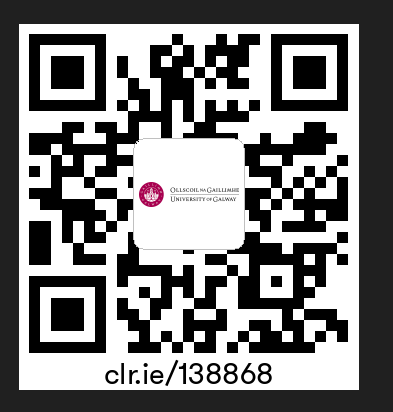
On campus accommodation can also be made via Clearbookings. Delegates can use this link or the QR code below:
Venue Directions
Detailed travel and parking information can be accessed here Travel to Galway – University of Galway and specific campus entrances here Campus Entrances and Parking – University of Galway.
If requiring parking, delegates must register for a permit. Please see the instructions below for applying for your parking permit. Permits apply to any white-lined space on campus. Cars not registered for a conference permit will be clamped (permits are only available one week before the event).
· Visit the following page – https://nuig.apcoa.ie/applicant#
· Select “Create Account” on the top right of the page
· Select either “Personal” or “Business” account
· Complete your personal/company details and enter your car registration and details
· Accept Terms & Conditions, and an account will then be created
· Select “Apply for Permit” and choose the event Irish Network of Healthcare Educators Conference (INHED)
· Accept Terms & Conditions and complete booking